
In short
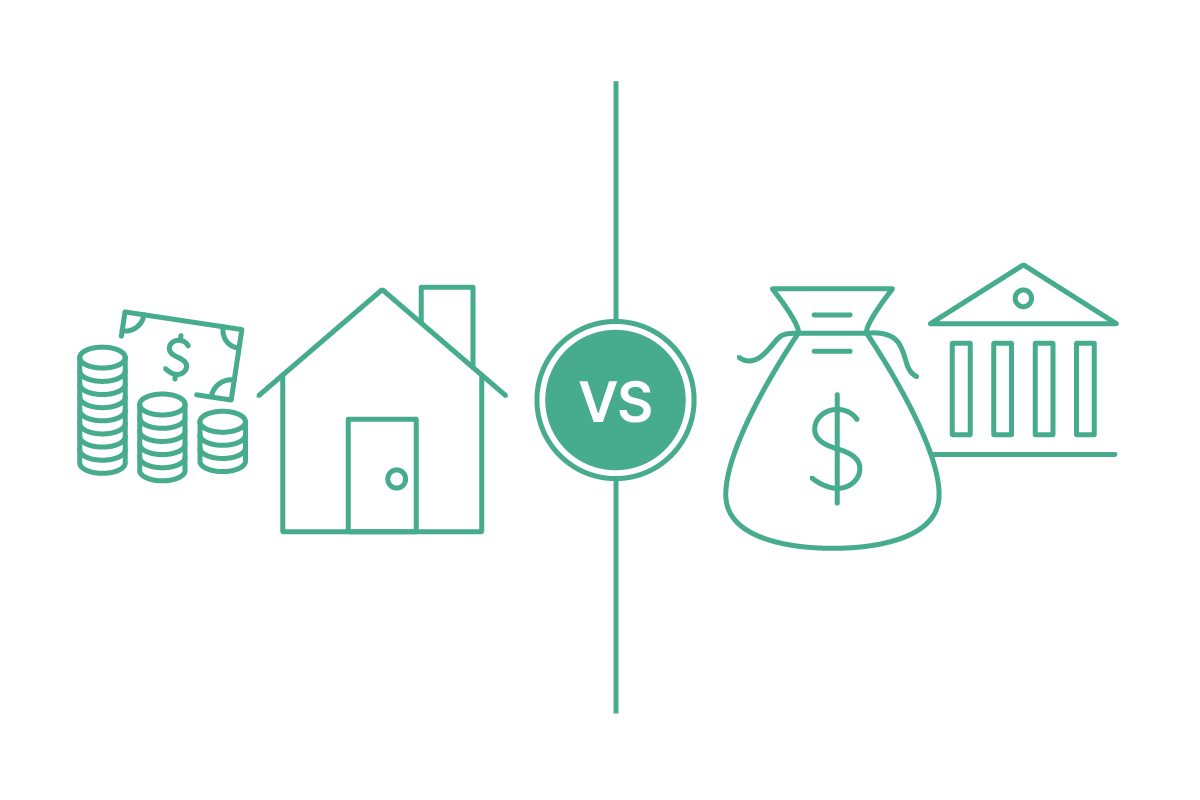
Cash is cheapest and simplest but ties up your capital. Hard money funds most of the purchase and all of the rehab at a higher cost, which suits newer investors. Private money is the most flexible and the cheapest to carry, but lenders want a track record first. I fund my deals with hard money for the bulk and private money for the rest.
"Every financing strategy has its pros and cons. Choose the one that aligns with your goals and scales with your success." - Jake Baker
Introduction
How you finance a deal shapes the deal: the risk, the return, and how many you can do at once. Whether you are starting out or scaling, here is how cash, hard money and private money compare, and how I use them together.
1. Cash: simple, with the highest margins
Paying cash is the most straightforward way to buy, and it has real advantages.
Pros
- Lower closing costs. No lender fees or origination points.
- Lower holding costs. No monthly interest.
- Higher profit margins. Without the added costs, more of the profit is yours.
- A stronger offer. Sellers like the speed and certainty of cash.
Cons
- Capital locked up. Your money is in one deal instead of the next one.
- No leverage. You are not using other people's money to scale.
Best for: investors with plenty of liquid funds who want simplicity and the lowest cost.

2. Hard money: leverage at a price
Hard money loans are the common choice for investors without private lenders, especially early on.
How it works: a hard money lender typically funds 70 to 90 percent of the purchase price and 100 percent of the rehab, released in draws as the work is completed.
Pros
- Leverage. Less of your own capital in each deal, so you can run several at once.
- Access. Easier to qualify for than a bank loan, with less paperwork.
- Speed. Funds are available faster than a bank.
Cons
- Higher cost. Lender fees, points and higher interest rates.
- Thinner margins. The closing and holding costs eat into profit.
Best for: newer investors, or anyone funding several projects at once who will pay a premium for the leverage.
3. Private money: flexible and scalable
Private money is borrowed from individuals rather than institutions: investors, partners, people who know your track record.
Pros
- Lower cost. Little or no points, lower rates, flexible terms.
- Scalable. Keeps your own capital out of the deal, so the portfolio can grow fast.
- Flexible. Private lenders negotiate repayment terms and equity structures.
Cons
- Experience required. Private lenders usually want proof of past success before they lend.
- Shared profits. You may give up equity or pay a higher return on the debt.
- Relationships at risk. Borrowing from people you know can strain the relationship if a deal goes wrong.
Best for: experienced investors with a track record who want cost-effective, flexible financing.
How we use private and hard money
In our business we fund ten or more flips and BRRRR projects a year with both.
- Hard money covers 90 percent of the purchase price and 100 percent of the rehab, released on a draw schedule.
- Private money funds the remaining 10 percent of the purchase, the initial rehab costs before the first draw, and the holding costs.
The hybrid keeps our own capital out of the deals, leaves us flexible for the next opportunity, and structures each deal so it works for the hard money lender and the private investor alike. In exchange, private lenders receive equity or a return on the debt, which aligns their interests with ours.
Every draw, every point and every interest payment has to land in the right set of books. That is the part most bookkeepers get wrong on a flip, and the part we do every month.
Key takeaways
- Cash: the highest margins and the simplest deal, but it limits how many deals you can do.
- Hard money: leverage and speed, best for newer investors, at a higher cost.
- Private money: the best mix of cost and flexibility, once you have a track record.
- Start with hard money if you have to. Move toward private money as you prove yourself.
Written by Jake Baker, founder of BookkeepingRE. Bookkeeping for real estate investors, from the first rental to a hundred doors. Book a Discovery Call or read more from TheLedger.