

In short
Put the scope of work in writing with costs and finishes. Sign a contract with payment terms tied to milestones. Verify licenses and insurance. Set deadlines, agree how you will communicate, and offer a bonus for finishing on time. Then extend some grace, because rehabs never go exactly to plan.
"A great contractor partnership is built on clear communication, mutual respect, and realistic expectations." - Jake Baker
Introduction
Managing contractors well is a big part of real estate investing, especially on a rehab. Contractors bring skill you do not have. Delays and miscommunication come with the territory. Here is how I keep projects on track.
1. Define a clear scope of work
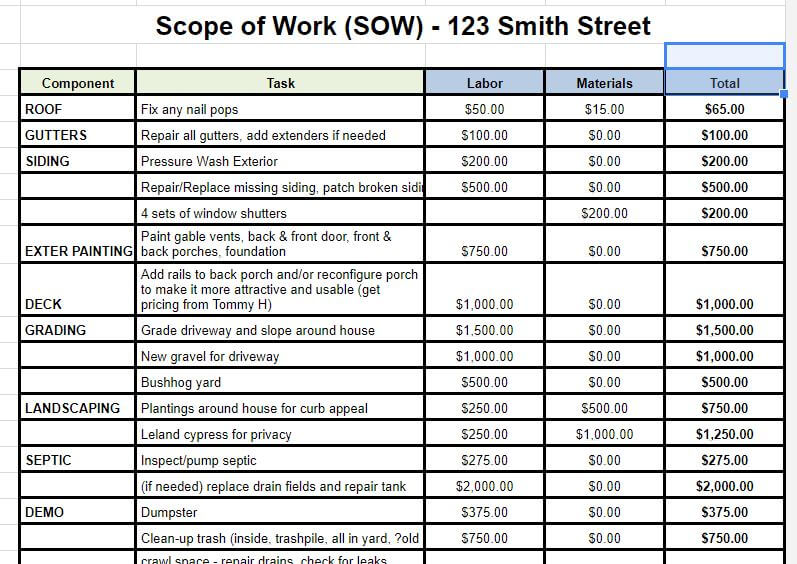
A detailed scope of work (SOW) lines up expectations before anyone picks up a tool. It should include:
- A breakdown of every rehab task.
- Costs for labor and materials.
- Specifications for finishes and materials, down to paint colors and flooring types.
The document heads off misunderstandings and gives the whole project a foundation to stand on.
2. Secure a written contract
Never start a project without a signed contract. It should cover:
- Payment terms: the deposit, and payments tied to milestones.
- The responsibilities of both parties.
- Timelines and deliverables.
A contract protects you and the contractor, and keeps everyone accountable.
3. Verify insurance and licenses
Before you hire, confirm the contractor is licensed and insured. It protects you from liability if there is an accident on the job, and it tells you they meet the standard.
4. Set strict timelines
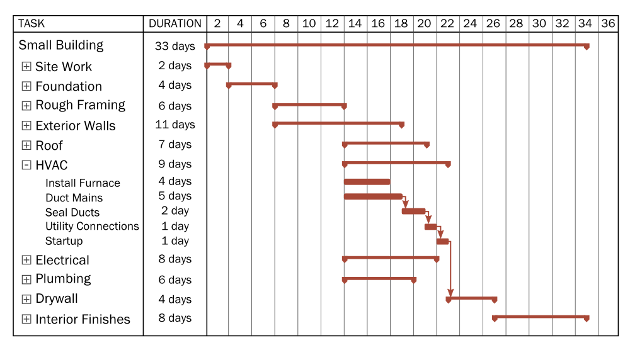
Set deadlines for each phase, from demolition to the finishing touches. Tie the payment schedule to completed milestones. Check in on the timeline regularly so a delay is handled before it grows.
5. Agree how you will communicate
Decide up front how you will communicate and how often you expect updates. Weekly calls, a shared project board or a text thread all work, as long as everyone knows the rule.

6. Offer an incentive for finishing on time
Consider a bonus for meeting the deadline. A five percent bonus for finishing on schedule motivates a contractor and rewards good work.

My general opinion
Contractors take a lot of criticism for missed deadlines and juggled projects. In my experience the good ones are worth a little patience.
- Decide what matters most to you: price, quality or speed. Be willing to give on the other two.
- Build systems that soften delays and cost overruns.
- Extend some grace when small problems come up. They always do on a complex project.
And keep the paperwork: the scope, the contract, the invoices and the W-9. They are what your books and your 1099 filing run on.
Key takeaways
- Scope of work first, then the contract, then the deposit. Never the other way round.
- Verify the license and the insurance before the first day on site.
- Tie payments to milestones and put a bonus on the finish line.
Written by Jake Baker, founder of BookkeepingRE. Bookkeeping for real estate investors, from the first rental to a hundred doors. Book a Discovery Call or read more from TheLedger.