
In short
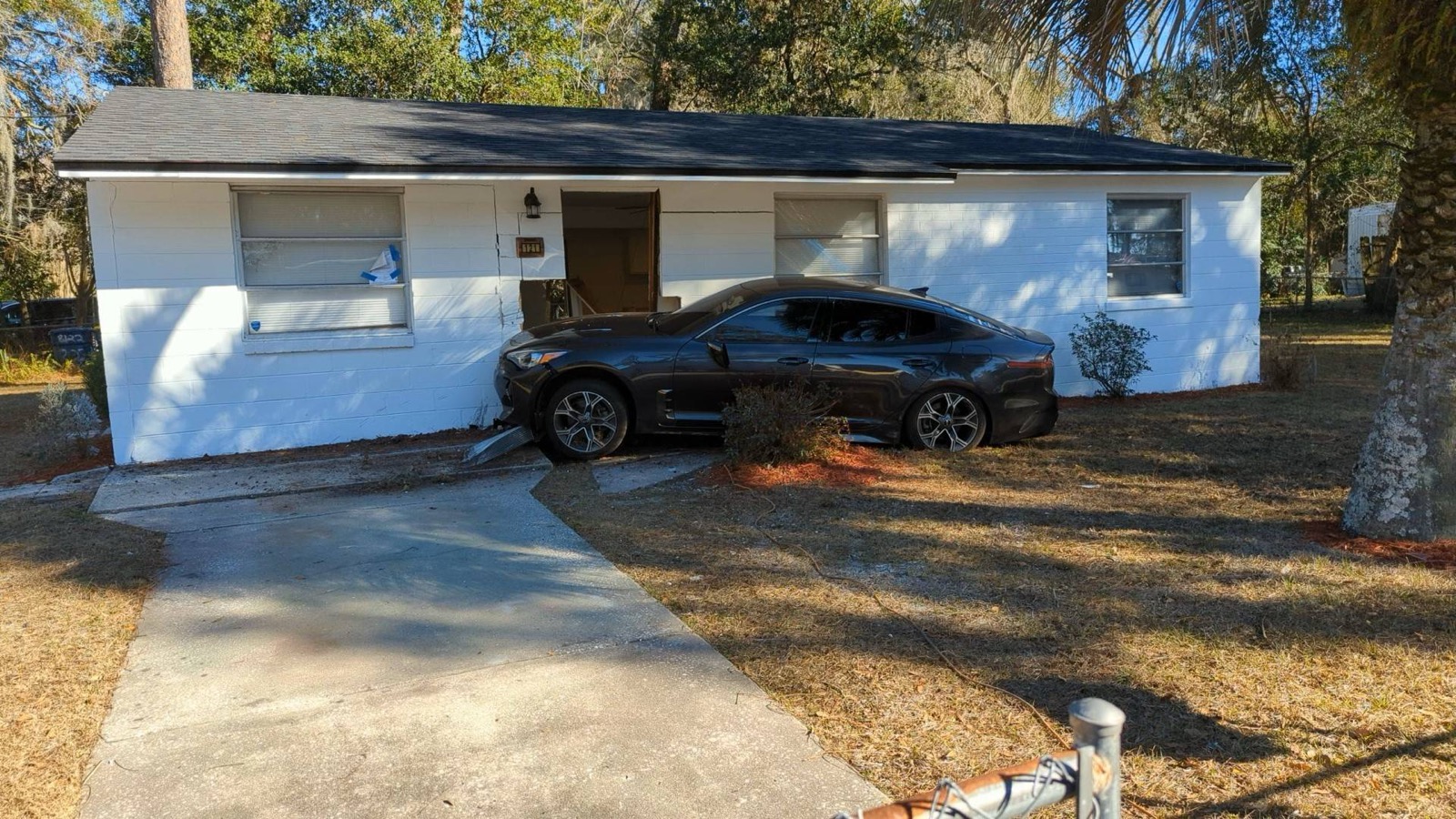
A Jacksonville BRRRR that should have refinanced ended in a sale at a $16K loss. After the rehab was done, a car crashed into the house, the driver fled, and my rental policy did not cover a property still under rehab. The lessons: carry builder's risk insurance during a rehab, keep a contingency fund, and keep a contractor and an agent you can lean on.
"I mistakenly had a rental policy instead of a builder's risk policy." - Jake Baker
Introduction
The BRRRR strategy (Buy, Rehab, Rent, Refinance, Repeat) is one of the most popular ways to build wealth through real estate. But what happens when things go horribly wrong? My experience with a property in Jacksonville, Florida turned into a nightmare that ended with me selling at a loss. Here is my story, the lessons I learned, and how you can avoid the same mistakes.
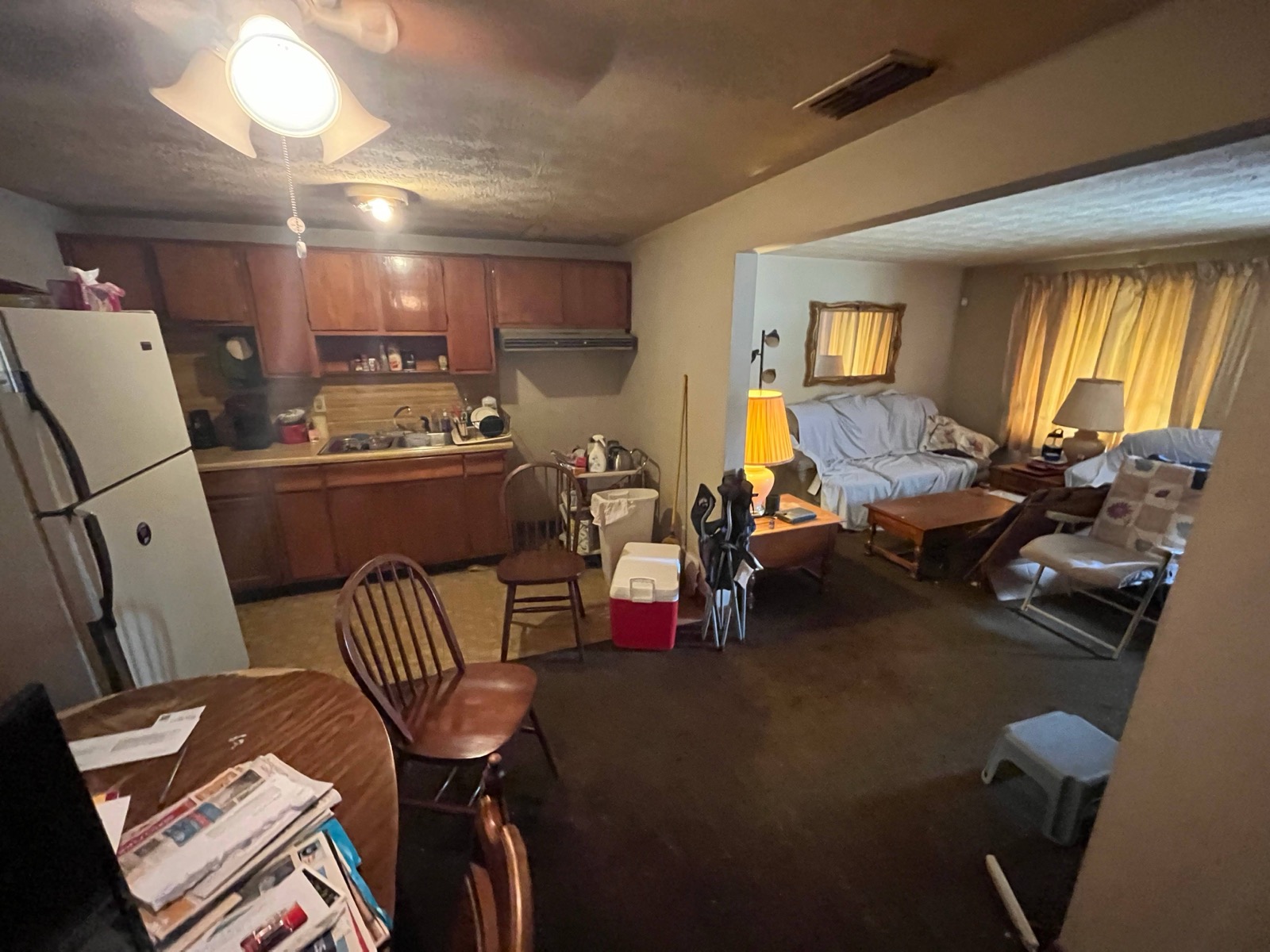
1. The numbers
The deal started with promise and ended with a $16K loss. Here is the breakdown:
- Sold for: +$230K
- Purchase price: $115K
- Closing costs: $3K
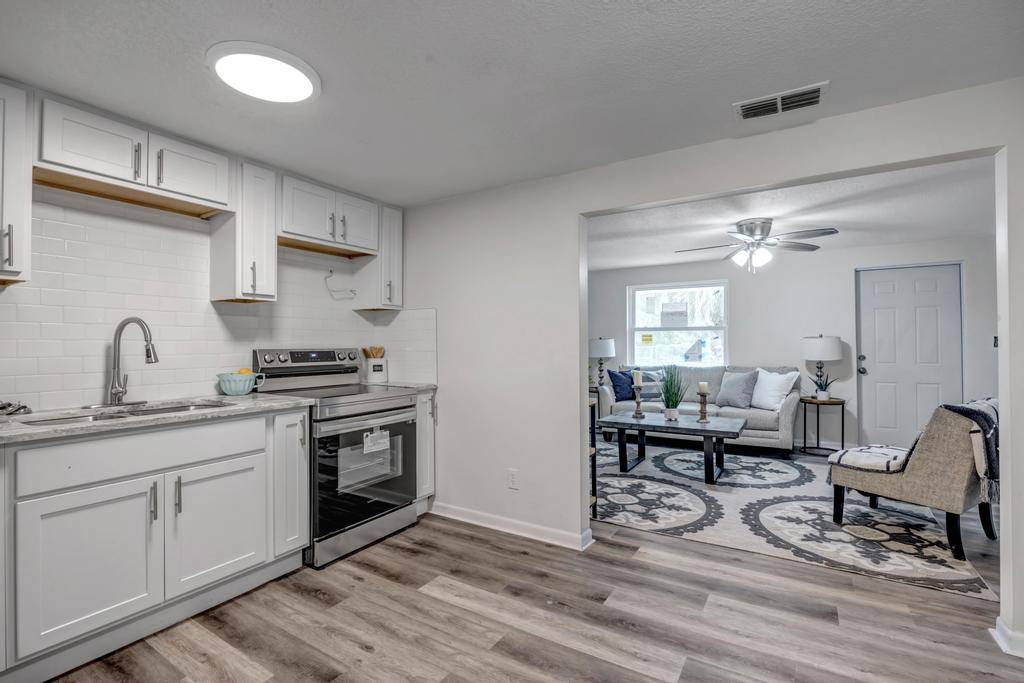
- Rehab costs: $105K ($49K original rehab, $56K additional repairs after the car crash)
- Holding costs: $31K over 12 months
- Selling costs: $16K
- Insurance claim recovery: +$25K
- Net result: -$16K
2. What happened
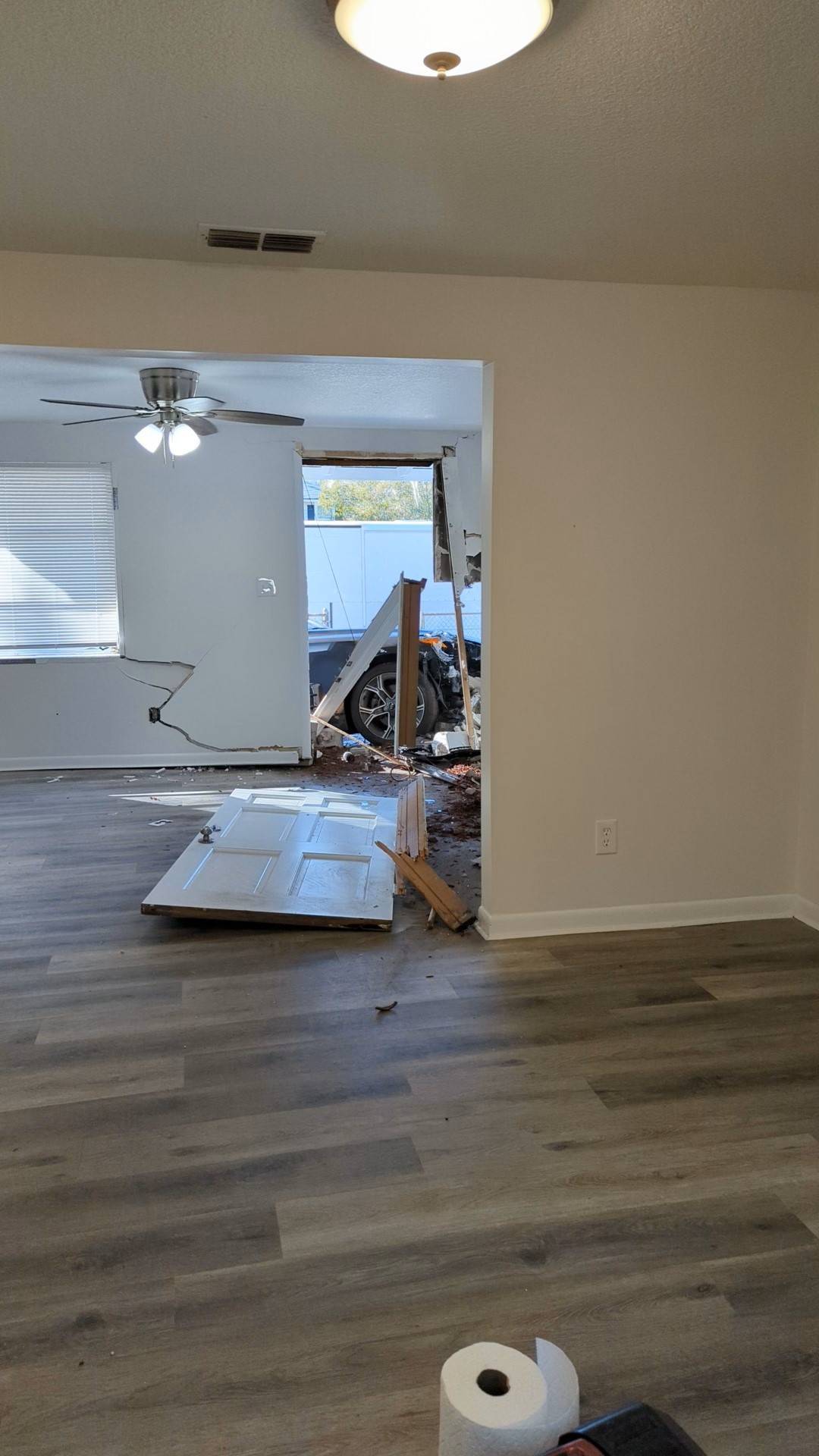
Everything was on track. The rehab was finished and we were gearing up to refinance when a car crashed into the property.
The structural damage was severe. The driver fled the scene and later claimed the car was stolen. The insurance company settled for $25K, nowhere near the $77K in unexpected costs, which included $41K in repairs and the extra holding costs while we rebuilt.
Rising interest rates then hurt the after-repair value. Faced with ballooning expenses and shrinking returns, I decided to sell the property at a loss instead of continuing with the BRRRR plan.
3. The insurance mistake
The biggest, and most avoidable, error I made was carrying the wrong type of insurance. I had a rental policy instead of a builder's risk policy.
When I filed the claim, the insurer denied it because the property was not yet rented. It was still under rehab. I have done many flips and usually have the right policy in place. This time I dropped the ball, and it cost me.
4. The silver linings
Despite everything, there were a few positives:
- An outstanding contractor. He went above and beyond, completing the additional repairs at cost to limit my losses.
- An amazing agent. She coordinated with the city, the contractors and everyone else involved, and helped me find the best path forward.
5. What I learned
- Insurance is critical. Verify you have the right policy for the project: builder's risk during a rehab, a rental policy once tenants are in, vacant property cover in between. Do not leave it to chance.
- Plan for the unexpected. Even a straightforward project can take a sudden turn. Keep a contingency fund for emergencies.
- Your team is key. A reliable contractor and a dedicated agent make all the difference when things go sideways.
6. The outcome
Selling at a loss was one of the toughest decisions I have made, but it was the right call under the circumstances. Sometimes walking away is the best option for your financial well-being.
Read the thread on BiggerPockets to see what other investors said about it. And if a deal like this is sitting in your books half-recorded, catch-up is where we start.
Written by Jake Baker, founder of BookkeepingRE. Bookkeeping for real estate investors, from the first rental to a hundred doors. Book a Discovery Call or read more from TheLedger.