
In short
Rent is only one of five ways real estate builds wealth. The others are forced appreciation, market appreciation, debt paydown and tax benefits. The best deals stack at least three of the five, and clean books are what make all five visible.
"Real estate wealth is built by combining predictable strategies like debt paydown with powerful opportunities like market and forced appreciation." - Jake Baker
Introduction
Real estate is one of the most reliable ways to build and keep wealth, because a single property earns in five different ways at once. Here are the five wealth generators, what each one does, and how I use them in my own portfolio.
1. Cash flow
Cash flow is the net income left after every expense is paid: mortgage, taxes, insurance, maintenance. It is the foundation of a portfolio because it provides stability and a cushion when the market turns.
- Covers your operating expenses and generates passive income.
- Acts as a buffer during a market correction.
My take: in my portfolio, cash flow is the hedge against uncertainty. I focus on high-appreciation markets like San Diego, and cash flow is what keeps the portfolio sustainable in a downturn.

2. Forced appreciation
Forced appreciation is value you create yourself, through improvements or by buying below market. It is the proactive wealth generator: you decide when it happens.
- The BRRRR method: buy, rehab, rent, refinance, repeat.
- Renovations that raise a property's desirability and market value.
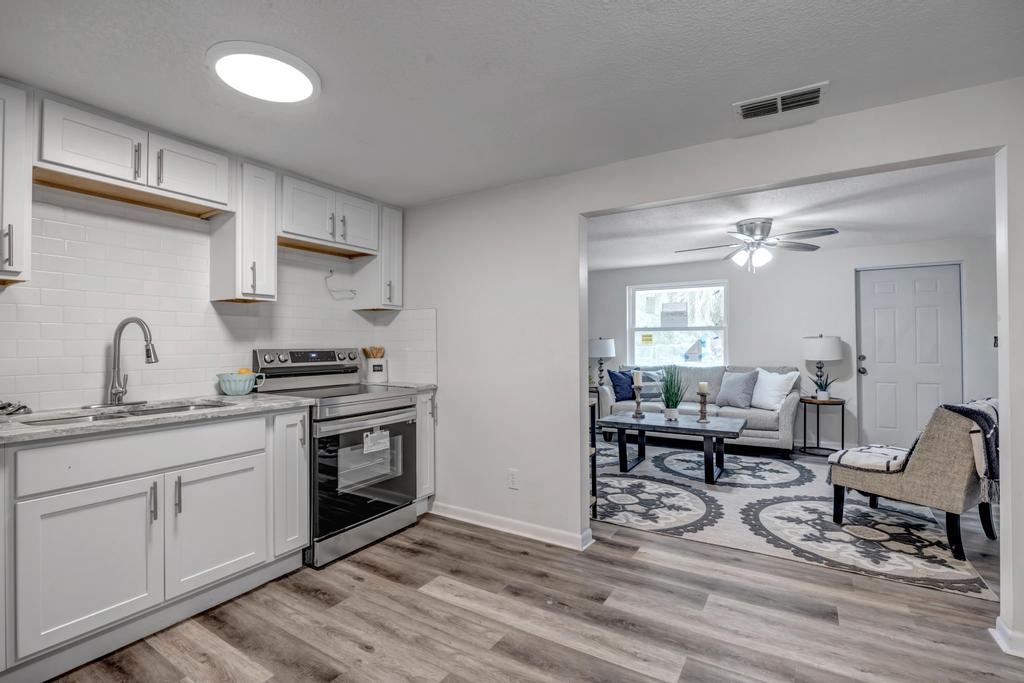
My take: forced appreciation is the cornerstone of my flipping business. The BRRRR strategy creates equity on day one, which is a safety net if the market softens. It does not always go to plan: my BRRRR horror story is the same house as the pictures below.

3. Market appreciation
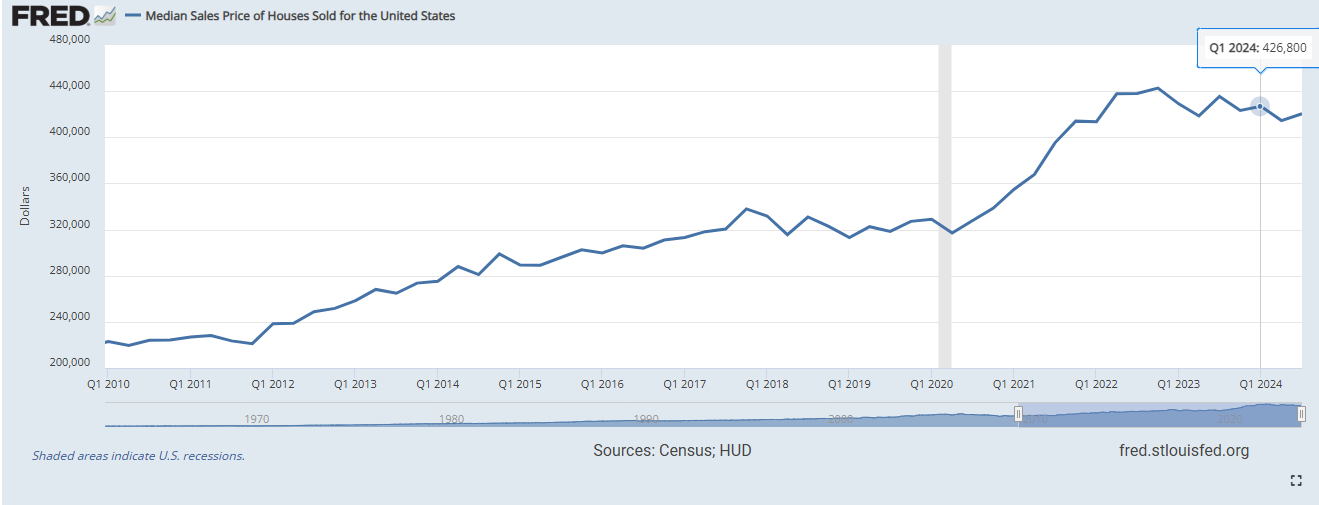
Market appreciation is the rise in property value over time from economic growth, population demand and inflation. It is the least predictable of the five, and over a long enough hold it has been the most powerful.
On a national scale, median home prices have never fallen over any ten-year period. The Federal Reserve's data shows it.
My take: I invest in San Diego for its appreciation. Cash flow is thin in a market like this, so I prioritize long-term equity growth and let time do the work.
4. Debt paydown
Debt paydown happens when tenants pay your mortgage. Every month the loan balance drops and your equity rises. It is the easiest wealth generator of the five, because it asks nothing of you but patience.
- Your ownership stake grows every month.
- Predictable, and it needs almost no involvement.
My take: debt paydown is not flashy, but it is reliable. The longer you hold, the more equity the tenants build for you.
5. Tax benefits
Real estate carries tax advantages that raise your real return: depreciation, 1031 exchanges, and deductions for the costs of owning and running property.
- Depreciation lets you deduct a portion of the property's value every year.
- A 1031 exchange defers capital gains tax when you reinvest in a like-kind property.
My take: the tax benefits only show up if the books are clean and the plan is made in advance. Good bookkeeping and a tax advisor who knows real estate are how I make sure I take everything I am entitled to.

My real estate investing strategy
I live in San Diego, a high-appreciation market with limited cash flow. My approach balances the five generators to build a portfolio that is sustainable and profitable.
- Primary residence rentals. Every few years I buy a primary residence with favorable financing and later convert it into a rental.
- Flipping and BRRRR. My flipping business completes ten or more BRRRR projects a year. By focusing on location and long-term appreciation, each one comes with built-in equity.
- Co-living rentals. I have shifted my rental strategy to co-living, renting by the room in B-class neighborhoods. It addresses affordability for tenants, maximizes cash flow where margins are tight, and uses long-term leases rather than weekly rentals.

Key takeaways
- Prioritize forced appreciation early. It builds equity you control.
- Keep accurate records and work with an advisor, or the tax benefits pass you by.
- Balance cash flow and market appreciation to fit your market and your risk tolerance.
- Hold for the long term. Debt paydown and appreciation reward patience.
Written by Jake Baker, founder of BookkeepingRE. Bookkeeping for real estate investors, from the first rental to a hundred doors. Book a Discovery Call or read more from TheLedger.